
How Digital Neuroplasticity Tools Are Transforming Mental Health Interventions
npnHub Editorial Member: Dr. Justin Kennedy curated this blog
Key Points
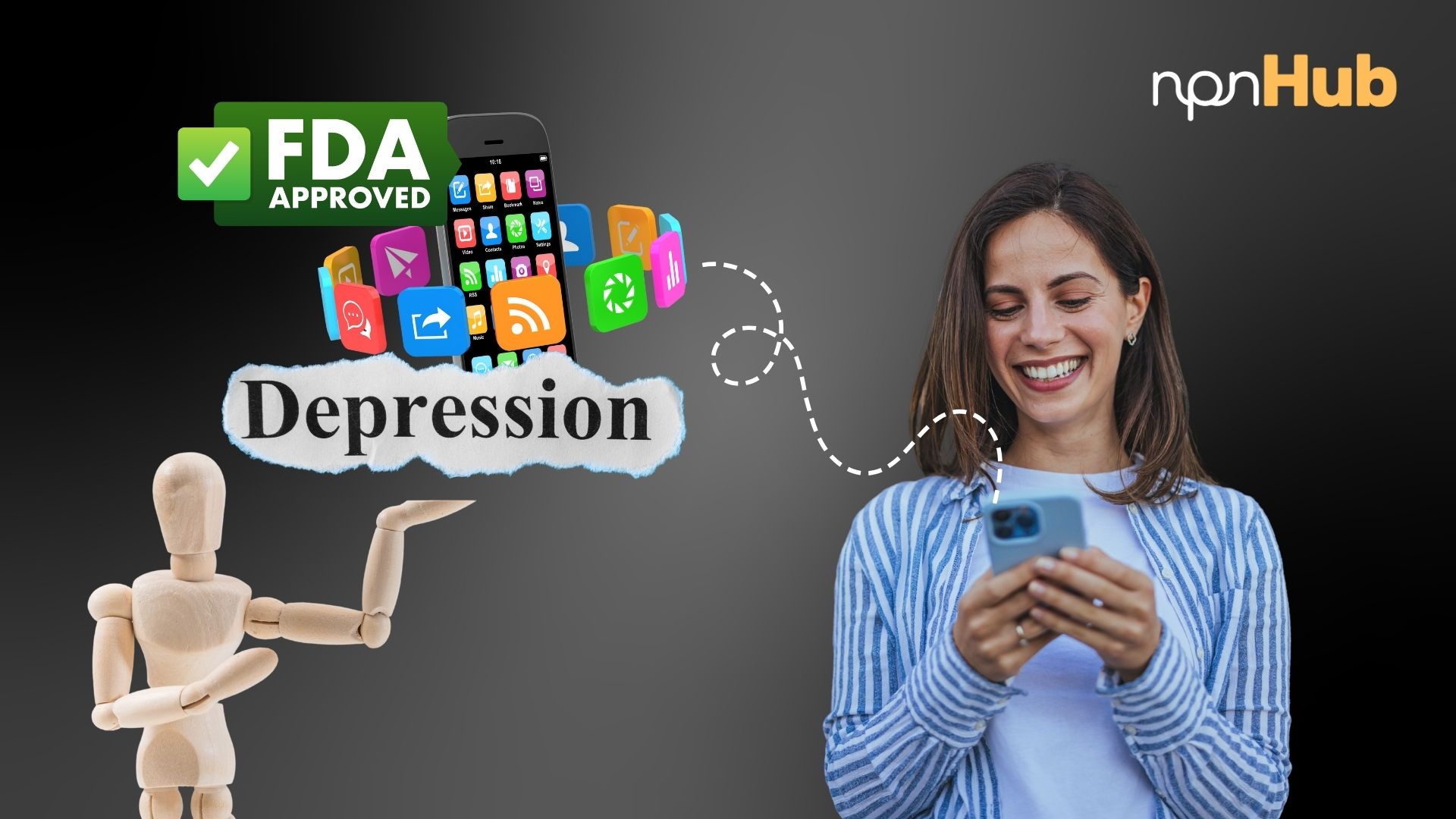
- The FDA has approved a prescription digital therapeutic app that uses targeted neuroplasticity to treat depression
- The app delivers cognitive exercises that strengthen underactive brain regions linked to mood regulation
- Brain imaging confirms changes in the prefrontal cortex and default mode network after regular use
- Digital therapeutics provide non-pharmacological options for clients resistant to traditional treatments
- Neuroscience practitioners can integrate these apps into coaching and therapy protocols for enhanced outcomes
- Clinical trials support the app’s efficacy in reducing depressive symptoms and improving emotional regulation
1. What is a Prescription Digital Therapeutic App for Depression?
Imagine a neuroscience-informed therapist working with a client whose depressive symptoms haven’t improved with standard CBT or SSRIs. The client feels stuck, ashamed, and exhausted. But then, the therapist introduces something different – a prescription digital app, FDA-cleared for depression. After six weeks of daily 20-minute sessions using this brain-training app, the client begins reporting better focus, less rumination, and even moments of joy. Was it the app?
This story is illustrative, but it’s grounded in science. The FDA has approved apps like EndeavorRx (for ADHD) and now reSET-O and SOMRYST for depression and related conditions. These Prescription Digital Therapeutics (PDTs) are software-based treatments that target neural circuits implicated in mood disorders.
These tools are not “mood trackers” or basic mindfulness apps. They’re grounded in neuroscience and require a prescription, delivering structured cognitive or behavioral training protocols via smartphone or tablet. Clinical evidence, often reviewed in The Journal of Affective Disorders and JAMA Psychiatry, supports their use alongside traditional therapy or medication (JAMA).
As neuroplasticity becomes more central to treatment, these apps are emerging as accessible, personalized, and brain-targeted interventions for depression.
2. The Neuroscience Behind Digital Depression Apps
In a clinical training session, a neuroeducator watches fMRI clips showing real-time brain activity before and after eight weeks of app use in patients with major depressive disorder. Initially, the default mode network (DMN) is hyperactive, associated with excessive rumination. After the intervention, DMN activity drops, while connectivity in the prefrontal cortex increases. The room goes silent – this is digital neuroplasticity in action.
These brain apps use targeted cognitive tasks designed to engage and strengthen neural circuits that are often underactive in depression. For instance:
- Dorsolateral prefrontal cortex (dlPFC): Involved in executive function and emotion regulation
- Anterior cingulate cortex (ACC): Modulates conflict detection and emotional salience
- Subgenual cingulate: Often overactive in treatment-resistant depression
By engaging these regions through high-cognitive-load tasks, the apps promote adaptive connectivity and neurochemical rebalancing – similar to what we see with CBT or mindfulness.
Neuroscientist Dr. Adam Gazzaley at UCSF has pioneered much of this work in digital therapeutics, showing how apps can induce real neural changes in attention and mood networks (Gazzaley).
3. What Neuroscience Practitioners, Neuroplasticians and Well-being Professionals Should Know
One neuroplastician working with university students noticed a trend: increasing anxiety, mild depression, and digital burnout. Ironically, the solution came from the same device causing the overload – a carefully regulated app prescribed through the school’s mental health service. After a semester of guided use, students reported improved mood and cognitive resilience.
This illustrates how nuanced our understanding of tech in mental health must be.
Practitioners often ask:
- Can an app really rewire the brain in the same way as therapy?
- How do I know it’s safe and effective for my client?
- Will using a screen for healing do more harm than good?
The answer lies in design, dosage, and regulation. FDA-approved apps for depression are rigorously tested in randomized controlled trials and must show statistically significant reductions in depressive symptoms to gain approval. They are often built on CBT frameworks, memory training, or emotion regulation techniques supported by fMRI and EEG data.
For example, SOMRYST targets insomnia and depression by using CBT-I protocols, a validated method for reshaping thought and behavior patterns tied to mood.
Researchers from Mount Sinai and Harvard have validated the neurobiological effects of digital therapeutics, showing measurable changes in brain activity and function over time (Harvard Neuroscience).
4. How These Apps Work Through Neuroplasticity
Neuroplasticity is the foundation of how FDA-cleared apps treat depression. Each time a user engages with targeted challenges – like memory games, pattern matching, or emotional labeling – they’re reinforcing specific neural pathways.
Over time, this repetition activates the prefrontal cortex, improving executive control, and dampens amygdala overactivity, which is often elevated in depression. The hippocampus, which shrinks with chronic stress, also benefits through working memory and novelty-based tasks that stimulate growth and integration.
This mirrors how traditional therapy works – but in a digital format, with higher frequency and measurable feedback. According to a 2020 Nature Digital Medicine review, consistent app use led to lasting changes in brain connectivity, especially in reward-related pathways that often go offline during depressive episodes.
In essence, the brain gets “rewired” not just by what the user thinks, but by what they do – over and over, in a structured, emotionally salient way.
5. Neuroscience-Backed Interventions Using Digital Therapeutics
Why This Matters
Many clients – especially teens, young adults, and tech-literate populations – resist traditional therapy or medication. Digital neuroplasticity tools provide non-invasive, engaging, and evidence-based pathways for healing.
A neuroscience-informed coach working with a high-achieving entrepreneur used a digital depression app to supplement coaching. The client reported improved sleep, sharper focus, and reduced emotional crashes.
Here’s how you can use these tools:
1. Integrate FDA-Approved Apps into Coaching Protocols
Concept: FDA-cleared apps like SOMRYST or reSET-O offer clinically proven interventions using neuroplasticity-based CBT models. Pear Therapeutics – SOMRYST
Example: A client with mild-to-moderate depression uses the app for 20 minutes daily while receiving weekly coaching.
✅ Intervention:
- Screen for client eligibility (moderate depression, comfort with tech)
- Guide initial onboarding and app prescription (via physician or provider)
- Pair app usage with weekly check-ins to reflect on insights and shifts
2. Use Brain Training Apps Backed by Neuroscience
Concept: Apps like EndeavorRx and UCSF’s Neuroracer have shown measurable cognitive benefits via fMRI. Gazzaley et al. (2013) Nature
Example: A practitioner helping a client with depressive symptoms and brain fog uses a memory and attention app 5x/week.
✅ Intervention:
- Choose evidence-based tools with published results
- Set usage targets (15–25 minutes/day)
- Track changes in mood, focus, and daily functioning
3. Pair with Mindfulness and Somatic Practices
Concept: Digital exercises are enhanced when paired with embodied practices like breathwork or movement, engaging bottom-up regulation. Mind-Body Integration Reference: Siegel, 2007 – Mindsight
Example: A coach pairs app-based cognitive training with daily grounding practices to reinforce top-down and bottom-up plasticity.
✅ Intervention:
- Begin or end app sessions with mindful breathwork
- Use somatic check-ins to reinforce awareness
- Log emotional responses to digital tasks in a journal
4. Educate Clients About Digital Neuroplasticity
Concept: Understanding the mechanism boosts client engagement and compliance. Harvard Center on the Developing Child
Example: An educator explains how the app is “like a gym for the prefrontal cortex,” helping reduce shame and increase buy-in.
✅ Intervention:
- Teach clients basic neuroplasticity principles
- Use visual metaphors (e.g., rewiring circuits, strengthening muscle groups)
- Encourage reflection on changes they notice week to week
6. Key Takeaways
Digital neuroplasticity is no longer a theory – it’s an FDA-approved treatment. As neuroscience practitioners, coaches, and therapists, you can now harness clinically validated, app-based tools that activate the brain’s innate ability to rewire and heal.
By integrating these tools with your existing protocols, you help clients access healing in ways that are structured, scalable, and brain-based.
🔹 Prescription apps use neuroscience to directly influence emotional and cognitive circuits
🔹 Digital tools can supplement therapy or act as standalone interventions for mild-to-moderate depression
🔹 Neuroplasticity allows even entrenched thought patterns to shift with consistent digital engagement
🔹 Practitioners should stay informed on regulated, evidence-based apps to maximize outcomes
7. References
- Siegel, D. J. (2007). Mindsight: The New Science of Personal Transformation. Bantam Books. https://drdansiegel.com/mindsight/
- Lazar, S. W., et al. (2005). Meditation experience is associated with increased cortical thickness. NeuroReport, 16(17), 1893–1897. https://doi.org/10.1097/01.wnr.0000186598.66243.19
- Harvard Center on the Developing Child. https://developingchild.harvard.edu
- Pear Therapeutics – SOMRYST. https://www.somryst.com/