
The Neuroscience of Movement, Body Awareness, and Lifelong Brain Vitality
npnHub Editorial member: Willem Royaards curated this blog
Key Points
- Physical intelligence integrates movement, body awareness, and cognitive function to support brain health and longevity.
- Regular physical activity stimulates neuroplasticity and increases brain-derived neurotrophic factor (BDNF), which supports neuron growth.
- Movement strengthens communication between the motor cortex, cerebellum, hippocampus, and prefrontal cortex.
- Exercise improves memory, attention, emotional regulation, and learning capacity across the lifespan.
- Neuroscience practitioners can use movement-based interventions to enhance cognitive resilience and maintain brain vitality.
1. What is Physical Intelligence?
Imagine a neuroscience coach facilitating a professional development workshop for educators. After nearly an hour of intense discussion about student engagement, the group begins to lose focus. One participant stares at their notes while another checks their phone. The coach pauses the session and asks everyone to stand, stretch, and perform a simple coordination activity while discussing the topic in pairs.
Within minutes, energy returns to the room. Ideas begin flowing again, and participants engage with renewed creativity.
This scenario is an illustrative example rather than a scientific case. Yet it reflects a principle supported by modern neuroscience: the brain functions best when it moves with the body.
Physical intelligence refers to the ability to use movement, posture, and bodily awareness to enhance thinking, emotional regulation, and cognitive performance. It includes coordination, sensory awareness, balance, and the ability to regulate mental energy through physical activity.
Research strongly supports this connection. Neuroscientist John Ratey from Harvard Medical School describes exercise as “fertilizer for the brain,” highlighting its role in stimulating neural growth and improving cognitive function (Ratey, 2008).
A landmark brain imaging study found that aerobic exercise can increase the size of the hippocampus, the brain structure responsible for memory formation (Erickson et al., 2011).
These findings reveal an important truth: physical intelligence is not simply about fitness. It is a powerful biological mechanism that helps keep the brain young.
2. The Neuroscience of Physical Intelligence
During a cognitive performance coaching session, a practitioner notices a client struggling with sustained attention after long hours of desk work. Instead of introducing another mental strategy, the practitioner suggests brief movement intervals between tasks.
This example is illustrative rather than a scientific case, but it mirrors what neuroscientists have discovered about the brain and movement.
When the body moves, multiple brain systems activate simultaneously. The motor cortex initiates voluntary movement, while the cerebellum coordinates timing, balance, and precision. But movement also stimulates areas far beyond motor control.
The hippocampus, responsible for memory and learning, becomes more active during physical activity. At the same time, the prefrontal cortex, which governs attention, decision making, and executive function, shows improved efficiency.
Exercise also increases the production of brain-derived neurotrophic factor (BDNF), a protein that supports neuron survival, synaptic plasticity, and neural growth (Cotman & Berchtold, 2002).
BDNF acts like a fertilizer for neural circuits, helping the brain form stronger connections during learning.
Physical movement also regulates neurotransmitters such as dopamine, serotonin, and norepinephrine, which influence motivation, mood, and cognitive focus (Ratey & Loehr, 2011).
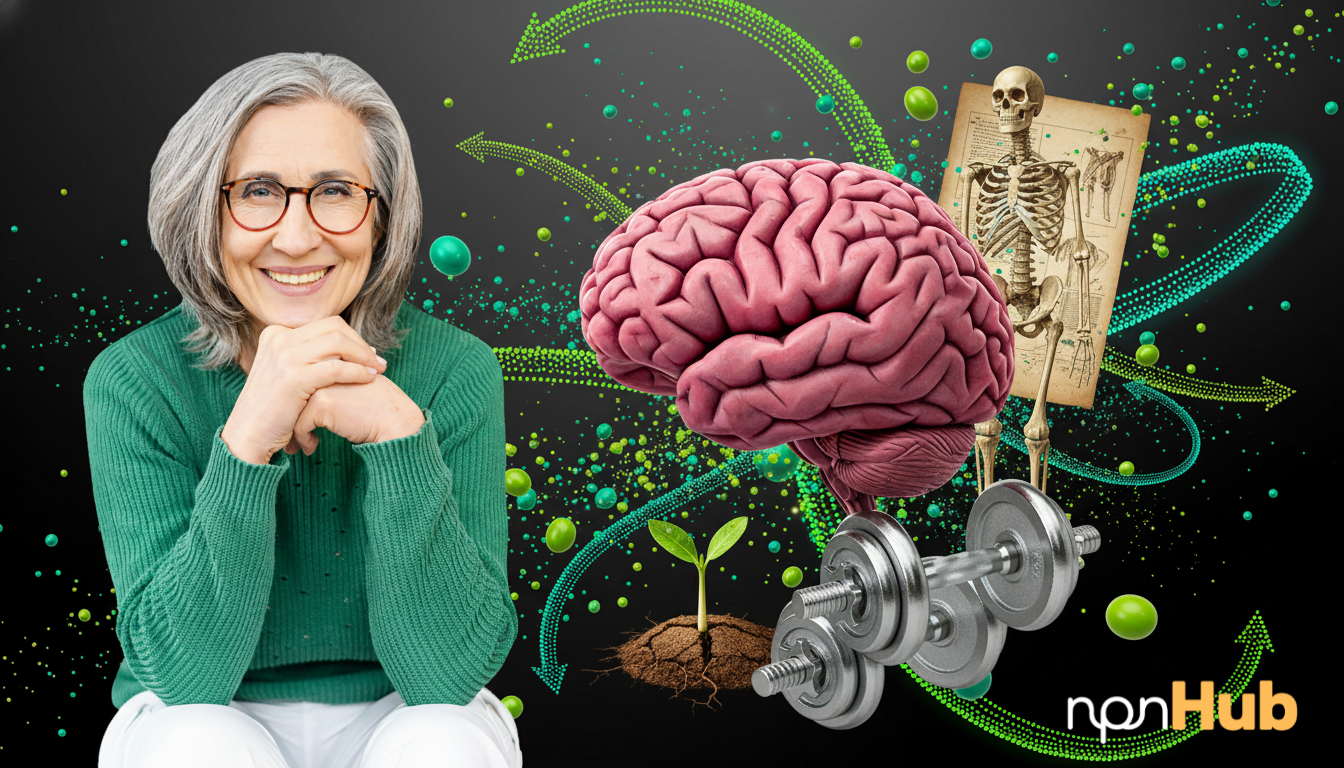
Together, these mechanisms strengthen a network involving the motor cortex, cerebellum, hippocampus, and prefrontal cortex, illustrating how physical intelligence directly supports brain health and cognitive longevity.
3. What Neuroscience Practitioners, Neuroplasticians, and Well-being Professionals Should Know About Physical Intelligence
A well-being practitioner once noticed an interesting pattern among clients attending cognitive resilience workshops. Those who incorporated regular movement into their daily routines consistently demonstrated better attention, emotional regulation, and creative thinking.
This story is an illustrative example rather than a scientific case. Yet it reflects a common challenge faced by professionals working in coaching, education, and neuroscience-based interventions.
Many clients still believe that cognitive performance depends primarily on mental effort. However, modern neuroscience shows that movement plays a critical role in shaping how the brain learns and adapts.
Research from Stanford University and other institutions shows that physical activity enhances executive function, memory consolidation, and emotional regulation (Hillman, Erickson & Kramer, 2008).
Despite this evidence, several myths still persist.
Some individuals assume that mental performance is separate from physical activity. Others believe exercise benefits only physical health rather than cognitive health.
Professionals working in neuroscience, education, and coaching often encounter important questions such as:
- Can movement-based interventions truly improve cognitive performance in adults?
- How much physical activity is necessary to stimulate neuroplastic changes in the brain?
- Can structured movement improve emotional regulation and executive function in high-stress environments?
Research from the University of Illinois and the Beckman Institute demonstrates that regular aerobic activity improves executive function and cognitive control across age groups (Hillman et al., 2008).
For practitioners, the implication is clear: integrating physical intelligence into coaching, therapy, and education can dramatically enhance brain performance and long-term well-being.
4. How Physical Intelligence Affects Neuroplasticity
Neuroplasticity refers to the brain’s ability to reorganize itself by forming new neural connections throughout life. Physical intelligence plays a powerful role in shaping this process.
Repeated movement patterns stimulate neural circuits linking the motor cortex, cerebellum, and sensory systems, reinforcing pathways responsible for coordination and spatial awareness. At the same time, movement activates the hippocampus, promoting memory formation and learning.
Exercise also increases blood flow to the brain, delivering oxygen and nutrients that support neural health. Over time, these changes strengthen synaptic connections and promote the growth of new neurons.
Research has shown that physical activity stimulates the production of brain-derived neurotrophic factor (BDNF), which enhances synaptic plasticity and supports long-term learning (Cotman & Berchtold, 2002).
A groundbreaking study demonstrated that adults who engaged in regular aerobic exercise experienced measurable increases in hippocampal volume, reversing age-related brain shrinkage (Erickson et al., 2011).
Through repeated movement experiences, neural networks become stronger and more efficient. Over time, this process supports better cognitive performance, emotional resilience, and protection against age-related cognitive decline.
5. Neuroscience-Backed Interventions to Improve Physical Intelligence
Why Behavioral Interventions Matter
Many professionals working in coaching, therapy, or education notice that clients often attempt to solve cognitive challenges through purely mental strategies. Yet prolonged sedentary behavior can limit brain performance.
A neuroscience practitioner working with corporate clients once observed that individuals experiencing mental fatigue often improved dramatically after integrating short movement breaks into their workday.
Intentional behavioral interventions help translate neuroscience into practical strategies that strengthen brain function.
1. Movement Micro-Breaks
Concept: Brief bouts of physical activity can rapidly improve cognitive performance and attention by increasing cerebral blood flow and activating executive function networks (Hillman et al., 2008).
Example: A performance coach working with executives introduces two-minute movement intervals during strategy sessions to prevent cognitive fatigue.
Intervention:
- Encourage clients to stand and stretch every 45–60 minutes
- Introduce brief walking discussions during meetings
- Include coordination exercises between focused work sessions
- Track improvements in attention and productivity
2. Aerobic Exercise for Brain Growth
Concept: Aerobic exercise stimulates hippocampal neurogenesis and increases BDNF levels, improving learning and memory (Erickson et al., 2011).
Example: A neuroplasticity practitioner works with a client experiencing memory decline and incorporates structured walking sessions before cognitive training exercises.
Intervention:
- Encourage 30 minutes of moderate aerobic activity 3–5 times per week
- Combine movement with learning tasks when possible
- Track improvements in memory and cognitive flexibility
3. Coordination-Based Brain Training
Concept: Complex movement patterns stimulate communication between the cerebellum and prefrontal cortex, enhancing cognitive flexibility (Diamond, 2000).
Example: An educator integrates rhythm exercises and balance activities into classroom learning to improve attention and engagement.
Intervention:
- Introduce balance and coordination activities
- Practice rhythm-based movement or dance
- Combine physical and cognitive tasks
4. Posture and Body Awareness
Concept: Body posture influences emotional state, attention, and autonomic nervous system regulation (Carney, Cuddy & Yap, 2010).
Example: A well-being practitioner helps clients improve posture during work sessions to enhance alertness and reduce fatigue.
Intervention:
- Encourage upright posture during focused tasks
- Introduce body awareness exercises
- Use breathing and posture resets throughout the day
6. Key Takeaways
Physical intelligence reveals a powerful truth about the brain: movement is one of the most effective tools for maintaining cognitive vitality. When individuals integrate intentional physical activity into daily routines, they strengthen neural networks responsible for memory, attention, and emotional resilience.
For neuroscience practitioners, coaches, educators, and well-being professionals, incorporating movement-based strategies can dramatically enhance learning outcomes and cognitive performance.
The brain is not designed to remain still. It thrives when the body moves.
Key insights
- Movement stimulates neuroplasticity and brain regeneration
- Exercise strengthens memory, attention, and emotional regulation
- Physical intelligence integrates body awareness with cognitive function
- Movement-based interventions can help slow cognitive aging
7. References
- Ratey, J. (2008). Spark: The Revolutionary New Science of Exercise and the Brain. Little, Brown and Company. https://psycnet.apa.org/record/2008-02933-000
- Erickson, K. I., et al. (2011). Exercise training increases size of hippocampus and improves memory. Proceedings of the National Academy of Sciences. https://www.pnas.org/doi/10.1073/pnas.1015950108
- Cotman, C. W., & Berchtold, N. C. (2002). Exercise: a behavioral intervention to enhance brain health and plasticity. Trends in Neurosciences. https://pubmed.ncbi.nlm.nih.gov/12086747/
- Ratey, J. J., & Loehr, J. E. (2011). The positive impact of physical activity on cognition during adulthood: A review of underlying mechanisms, evidence and recommendations. Reviews in the Neurosciences, 22(2), 171–185. https://doi.org/10.1515/RNS.2011.017
- Hillman, C. H., Erickson, K. I., & Kramer, A. F. (2008). Be smart, exercise your heart. Nature Reviews Neuroscience. https://www.nature.com/articles/nrn2298
- Diamond, A. (2000). Close interrelation of motor development and cognitive development. Child Development. https://pubmed.ncbi.nlm.nih.gov/10836557/
- Carney, D., Cuddy, A., & Yap, A. (2010). Power posing. Psychological Science.
https://pubmed.ncbi.nlm.nih.gov/20855902/
8. Useful Links
- Harvard Health: Exercise and Brain Health
- NIH Physical Activity and Brain Health
- Stanford Medicine Lifestyle Medicine Research
- Beckman Institute Cognitive Neuroscience
- My Coaching Toolkit – Building resilience and energy management
- My Coaching Toolkit – The core quadrant: Using the body as a compass