
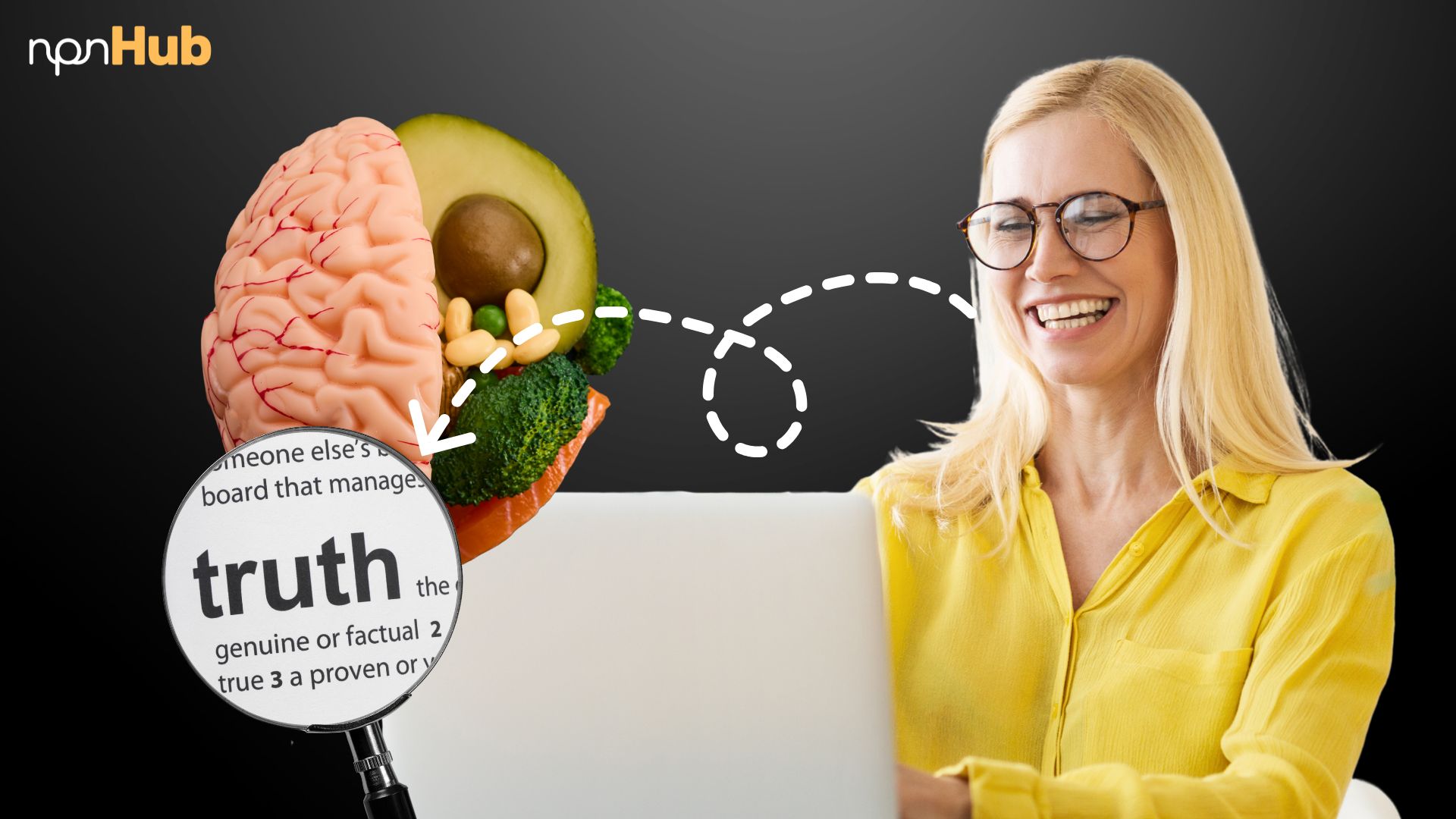
How Nutrition Directly Shapes Brain Function, Behavior, and Neuroplasticity
npnHub Editorial Member: Dr. Justin Kennedy curated this blog
Key Points
- Food profoundly influences brain chemistry, cognition, and emotional well-being.
- The gut-brain axis plays a critical role in modulating mood and cognitive function.
- Nutritional deficiencies can impair neurotransmitter production and brain plasticity.
- Neuroscience practitioners can optimize brain health through targeted dietary interventions.
- Emerging research reveals the impact of ultra-processed foods on brain inflammation and mental health.
1. What is Brain on Food?
Imagine a neuroscience coach working with a client struggling with focus and mood swings. After assessing their lifestyle, the coach discovers the client’s diet consists mostly of processed snacks and sugary drinks. Instead of blaming motivation or mindset alone, the coach explores how food is impacting the client’s brain function and overall well-being. This story illustrates how what we eat can shape not just physical health but the brain’s ability to function optimally.
“Brain on food” refers to the direct impact of nutrition on brain health and cognitive function. The brain, a highly metabolic organ, requires a constant supply of nutrients to support neurotransmitter synthesis, energy production, and neuroplasticity. Research by Dr. Fernando Gómez-Pinilla at UCLA highlights how nutrients act as “brain foods” influencing synaptic plasticity and cognitive resilience (Source) . Understanding these effects is crucial for neuroscience practitioners aiming to support clients holistically.
2. The Neuroscience of Brain on Food
In a clinical session, a neurocoach observes how a client’s mood dramatically improves within weeks after switching from a diet high in processed carbohydrates to one rich in omega-3 fatty acids, vegetables, and lean proteins. This practical case hints at a biological process where food modulates brain circuits involved in emotion regulation.
Neuroscience reveals that nutrients affect brain function through multiple pathways: they provide the building blocks for neurotransmitters like serotonin and dopamine, influence inflammation, and modify gut microbiota that communicate directly with the brain via the vagus nerve – a system known as the gut-brain axis. The prefrontal cortex, hippocampus, and limbic system are especially sensitive to these nutritional inputs. For instance, omega-3 fatty acids are critical for maintaining neuronal membrane fluidity and synaptic function, while antioxidants from fruits and vegetables protect brain cells from oxidative stress (Source) .
Dr. Lisa Mosconi, a leading neuroscientist, explains that “food acts like a pharmaceutical agent, with the power to prevent and even reverse brain aging” (Source) . Together, these insights underscore the intricate link between diet and brain health.
3. What Neuroscience Practitioners, Neuroplasticians, and Well-being Professionals Should Know About Brain on Food
Consider a cognitive coach working with clients facing anxiety and concentration issues. When traditional cognitive exercises plateau, the coach investigates dietary habits and finds a correlation between high sugar intake and cognitive fog. Recognizing the role of nutrition expands the practitioner’s toolkit beyond behavioral techniques.
Practitioners should know that brain function is not isolated from lifestyle inputs. Misconceptions persist: some believe brain health depends solely on genetics or training, neglecting nutrition’s impact. Common myths include:
- Myth: “Eating more sugar boosts brain energy.”
- Fact: Excess sugar can cause inflammation, impairing cognitive function and mood (Yale University study).
- Myth: “All fats are bad for the brain.”
- Fact: Healthy fats like omega-3s support neuronal health and plasticity.
- Myth: “Supplements alone can fix poor diets.”
- Fact: Whole foods deliver synergistic nutrients that supplements cannot fully replicate.
Frequently asked questions include:
- How does diet influence neurotransmitter balance in different brain disorders?
- Can changing nutrition reverse cognitive decline or mental health symptoms?
- What are practical ways to personalize dietary recommendations for clients?
These questions reflect ongoing research and clinical experience emphasizing nutrition’s foundational role in brain health (Stanford Medicine Nutrition Studies) .
4. How Brain on Food Affects Neuroplasticity
Neuroplasticity – the brain’s ability to reorganize and form new connections – is profoundly influenced by diet. Repeated nutritional habits create an environment either conducive or detrimental to plastic changes. For example, diets high in antioxidants and omega-3 fatty acids promote synaptic growth and enhance long-term potentiation (LTP), the cellular basis of learning and memory. Conversely, diets rich in saturated fats and sugars can induce neuroinflammation, reducing plasticity and cognitive flexibility (Source).
Research shows that nutritional patterns modulate the expression of brain-derived neurotrophic factor (BDNF), a critical protein for neuronal growth and plasticity. Lower BDNF levels are linked to depression and cognitive deficits. Thus, practitioners must consider diet as a modifiable factor influencing neuroplastic potential. The impact of food on neuroplasticity offers a powerful lever to enhance cognitive training and mental health interventions.
5. Neuroscience-Backed Interventions to Improve Brain on Food
Behavioral interventions targeting nutrition are vital because many clients default to diets that undermine brain health, often unknowingly. Neuroscience practitioners play a crucial role in guiding sustainable changes.
1. Nutrient-Dense Meal Planning
Concept: Consuming whole foods rich in vitamins, minerals, and healthy fats supports neurotransmitter synthesis and brain energy (Gómez-Pinilla, 2008).
Example: A coach helps a client incorporate more leafy greens, berries, and fatty fish into daily meals to support mood regulation.
Intervention:
- Assess current eating patterns.
- Create simple meal plans emphasizing brain-supportive foods.
- Encourage cooking at home to reduce processed food intake.
2. Gut-Brain Axis Support
Concept: Probiotics and prebiotics influence microbiota composition, impacting brain inflammation and mood via the vagus nerve (Harvard Medical School).
Example: A wellbeing practitioner introduces fermented foods and fiber to improve client’s anxiety symptoms.
Intervention:
- Recommend probiotic-rich foods like yogurt, kefir, or sauerkraut.
- Increase dietary fiber intake through fruits and vegetables.
- Monitor improvements in mood and cognition over weeks.
3. Sugar and Processed Food Reduction
Concept: Reducing sugar and ultra-processed foods decreases systemic inflammation and brain oxidative stress (Stanford Study).
Example: A neurocoach supports a client in gradually swapping sugary snacks for nuts and fruits.
Intervention:
- Track and limit added sugar intake to less than 10% of total calories.
- Substitute processed snacks with whole food alternatives.
- Use mindful eating techniques to reduce cravings.
6. Key Takeaways
Your clients’ brains are profoundly shaped by what they eat. Recognizing the shocking truth that nutrition affects cognition, mood, and neuroplasticity opens new doors for neuroscience practitioners and coaches. By integrating dietary awareness and interventions into practice, professionals can unlock greater cognitive resilience and emotional balance in clients.
🔹 Food acts as a powerful modulator of brain chemistry and plasticity.
🔹 Supporting gut health is essential for mental well-being.
🔹 Reducing processed foods improves brain inflammation and cognitive clarity.
🔹 Personalized nutrition strategies amplify cognitive and emotional interventions.
Embrace the brain on food connection to elevate your impact and help brains thrive naturally.
7. References
- Gómez-Pinilla, F. (2008). Brain foods: the effects of nutrients on brain function. Nature Reviews Neuroscience, 9(7), 568–578.https://pmc.ncbi.nlm.nih.gov/articles/PMC2805706/
- Harvard Medical School. (2023). Nutrition and brain health.https://www.health.harvard.edu/healthbeat/foods-linked-to-better-brainpower
- Mosconi, L. (2020). How Food Acts Like Medicine for Your Brain. The Journal of Prevention of Alzheimer’s Disease.https://pmc.ncbi.nlm.nih.gov/articles/PMC4497956/
- Stanford Medicine. (2022). Nutritional neuroscience: how diet influences cognition.https://med.stanford.edu/news/insights/2025/03/gut-brain-connection-long-covid-anxiety-parkinsons.html